
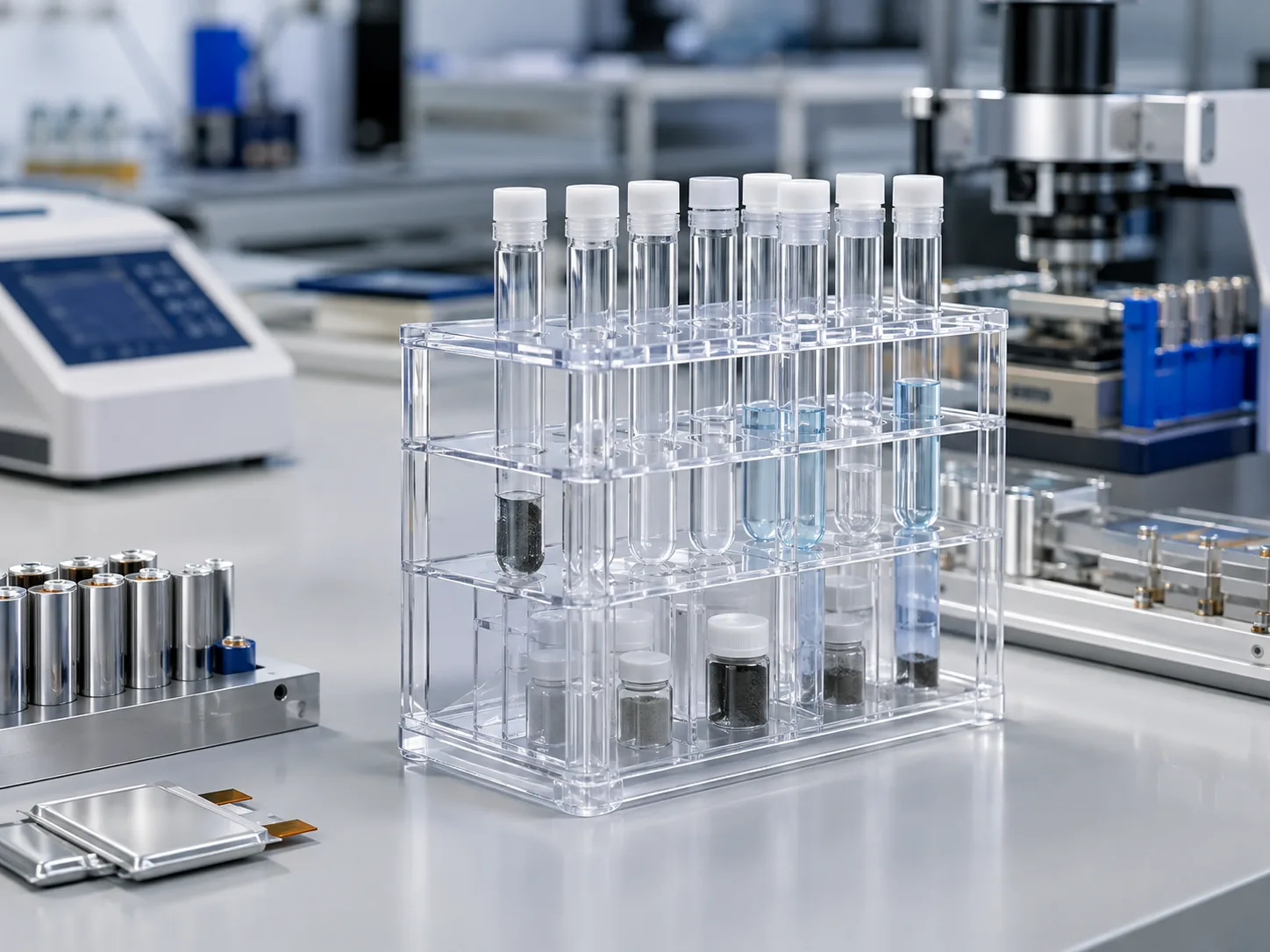

Typical Application Parts
The main pain point in laboratory and research projects is that requirements are still changing: teams need to compare materials, make functional samples and keep data reproducible for the next round. Clearastatic can connect material metrics with functional validation through free samples, trial-batch material, small-batch trials and tooling review.
- Clear test fixtures, observation parts and lab-assist clamps
- Material samples, pilot samples and small-batch validation parts
- Sample containers, protective covers and research functional parts
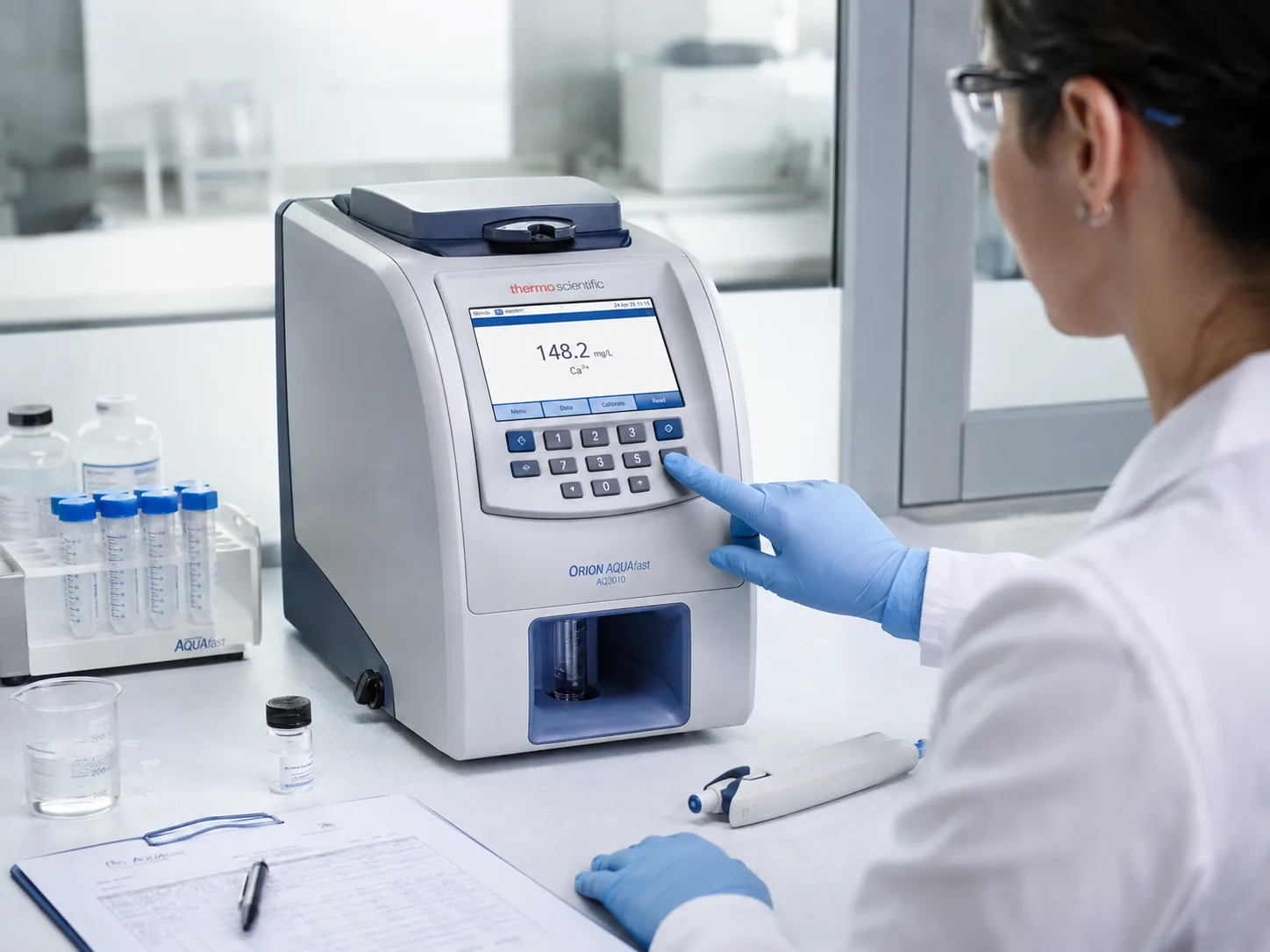
Industry Requirements
Research projects focus on low-cost rapid validation
Laboratory and research projects usually compare material metrics first, then trial samples, then review small-batch and production-introduction routes.
| Industry Requirements | Current Pain Points | Clearastatic Matching Solution |
|---|---|---|
| Fast comparison | At the R&D stage, base resin, clarity, antistatic level and molding route may all be uncertain. | Use free samples first to compare clarity, haze, surface resistance and basic appearance. |
| Small-batch validation | The project may not suit large purchases at the start, but it still needs enough material for mold trials and retesting. | Provides 5 kg trial-batch material packs so process and performance validation can be completed with a lower starting quantity. |
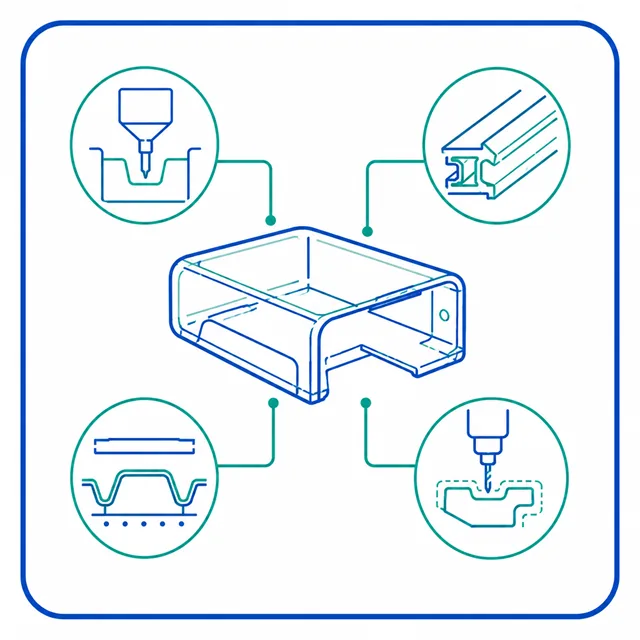
| Functional samples | Even without formal tooling, observation parts, fixtures or containers may still be needed for functional validation. | Select CNC, thermoforming, simple forming, mold trial or injection molding according to the project stage. |
| Data reproducibility | Without batch and parameter records, results from multiple experiment rounds are hard to compare. | Record material batches, test methods, molding parameters and formulation limits. |
Performance Metrics
Performance Advantages
The seven data points most often needed early in transparent antistatic projects are shown together so purchasing, R&D and tooling teams can align quickly.

90%
Clarity
Suitable for laboratory transparent covers, sample boxes and equipment observation windows that need visual confirmation.

109
Antistatic Level
Controls static adhesion at the 10⁹ Ω surface-resistance level to reduce dust attraction and ESD risk.
5.3KJ/㎡
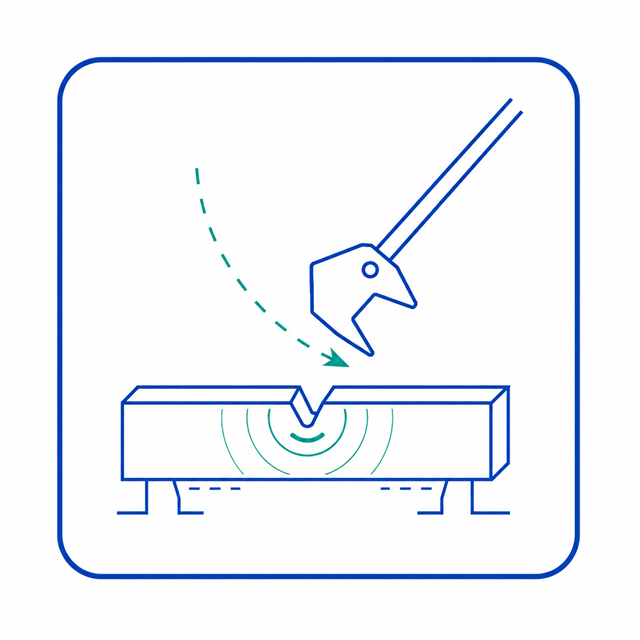
Impact Strength
Used to evaluate impact resistance during assembly, handling and station collision scenarios.
9.3g/10min
Melt Index
Used to judge processing window and flow stability during laboratory transparent-part molding trials.
59.4MPa
Tensile Strength
Tensile method: 50 mm/min, GB/T1040-2006.
Scratch
Scratch Resistance
Supports frequent touching, wiping and assembly use while reducing visible surface-scratch risk.
No Fog
No Fogging After Washing
Maintains clear observation after washing and reduces haze or whitening that affects appearance and identification.
Customization is available for experiment goals, material comparison, sample quantity, test records and production-transfer path.
R&D comparison metrics
- Clarity / haze
- Surface Resistance
- Material batches
- Appearance samples
Small-batch path
- Free Samples
- 5 kg pilot trial
- CNC / thermoforming
- Mold trial evaluation
Engineering Deliverables
- Material Recommendation
- Test records
- Parameter limits
- Iteration recommendations
R&D to production coordination
- Materials Engineer
- Sample engineer
- Tooling Engineer
- Quality retesting
Quotation Plan
Transparent Antistatic Material Quotation Plan
Laboratory and research projects are suitable for validation with free samples and 5 kg material packs before deciding whether to enter mold trials or small-batch trials.
Free Samples
Used to test conductivity, clarity, haze and basic appearance during early transparent antistatic material selection.
Samples are freeTrial-batch Material
Trial-batch transparent antistatic material is CNY 65/kg. A 5 kg pack is available for mold trials, trial production and small-batch retesting.
CNY 65/kg, from 5 kgFinal Trial Formula
The final trial locks the exclusive formulation and confirms the production window by color, clarity, antistatic level, base resin and process.
about CNY 65-67/kgTooling Cost Consultation
Tooling cost is evaluated separately by part size, structure, cavities, polishing grade, trial requirements and delivery schedule.
Quoted by productFAQ
FAQ
Common questions about research validation, small-batch samples and material trials.
Should petri dishes, sample boxes and instrument covers use anti-static transparent plastic such as ABS or PMMA?
If impact resistance and structural strength are needed, transparent antistatic ABS is preferred. Surface resistance can reach 10⁸-10¹⁰ Ω, but long-term water immersion may cause fogging.
If high transparency and scratch resistance are more important, transparent antistatic PMMA is preferred. Surface resistance can reach 10⁹-10¹⁰ Ω, but impact resistance is weaker.
Why do laboratory supplies need transparent antistatic materials?
They are mainly used to solve static dust attraction, powder adhesion and electrostatic interference with light samples, while keeping internal samples, scales or instrument status clearly visible.
Can they be used to store powders, particles and precision samples?
Yes, but sample characteristics must be evaluated. Transparent antistatic materials have advantages for powders, fine particles, electronic samples and precision parts that are easily affected by static adhesion. If special chemicals are involved, chemical resistance must be confirmed separately.
Will alcohol, reagents or cleaning liquids affect the material?
It depends on the specific medium. Alcohol wiping can be confirmed by actual testing. If there will be long-term contact with acids, alkalis, organic solvents or special reagents, the medium name, concentration and contact time must be provided before judging whether ABS or PMMA is suitable.
Can transparent petri dishes, reagent kits or lab containers be made?
Structural and transparent antistatic solutions can be made, but if the product directly contacts cultures, reagents or high-purity samples, cleanliness, extractables, chemical resistance and use standards must be further confirmed. Surface resistance alone is not enough.
What is most important in the first sample round for research supplies?
Prioritize surface resistance, light transmission, haze, wiping resistance, chemical resistance, injection appearance and dimensional accuracy. If specific reagents or powders are involved, actual media and samples should be used for validation.