
Aidan
Test Engineer | Samples, resistance and dimensions
 Clearastatic
Antistatic Solutions
Clearastatic
Antistatic Solutions
Coordinated materials, tooling, injection molding and validation support transparent antistatic products from solution confirmation to stable delivery.

Materials, tooling, molding and testing/validation capabilities work together to turn transparent antistatic requirements into trial-ready and production-ready plans.
Test Engineer | Samples, resistance and dimensions

Materials Engineer | Selection, samples and production introduction

Molding and Test Engineer | Process windows and durability retesting

Materials R&D Laboratory Manager | Electrical, optical and production validation

Mold Engineer | Structure, trials and molding closure
Years of industry experience with full-process control over precision manufacturing.

Project Engineer | Requirements, samples and feedback closure
Transparent antistatic projects should define measurable metrics before confirming material, color, structure and use scenario.
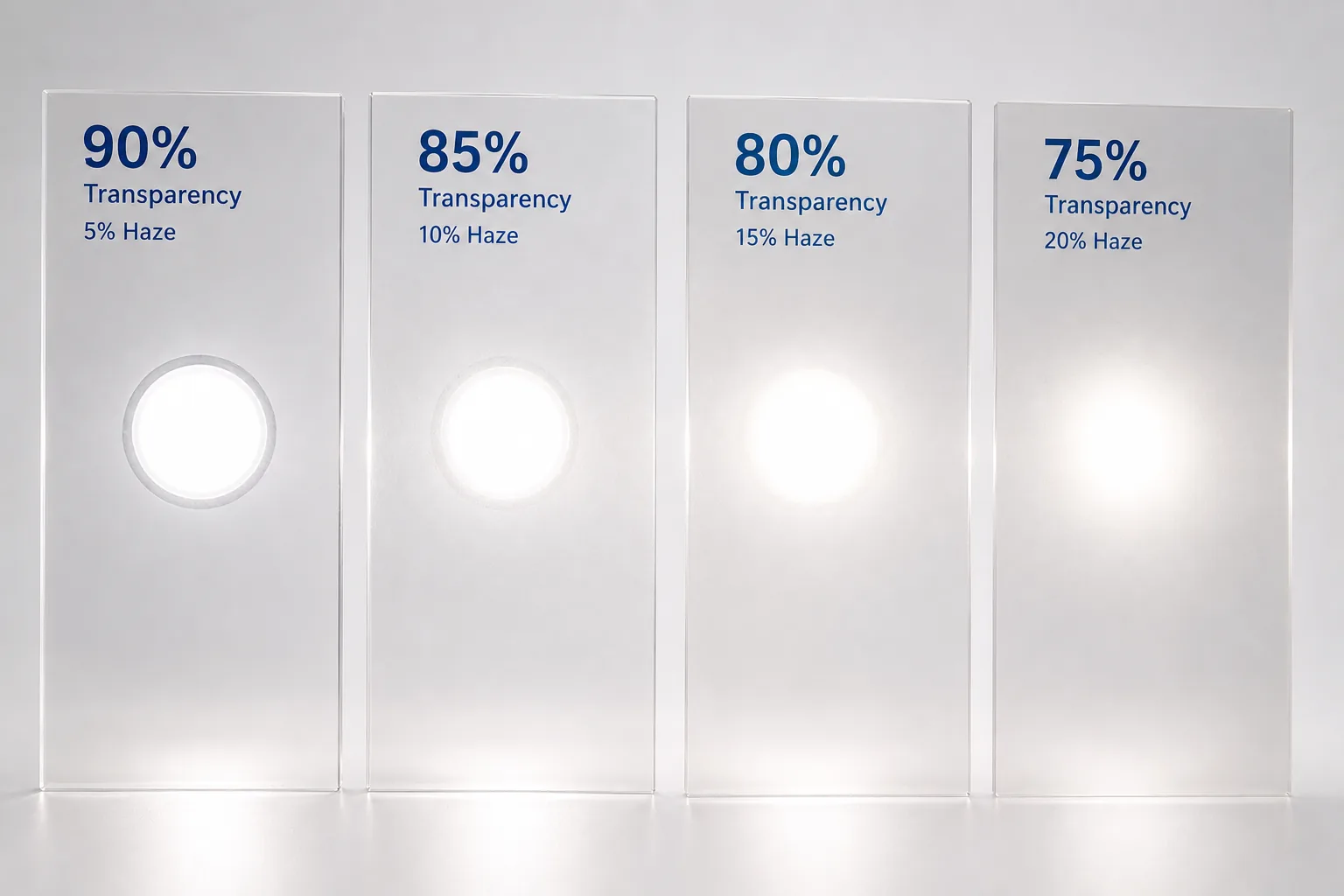
Define the right clarity level by light transmission, haze, viewing distance and assembly environment.
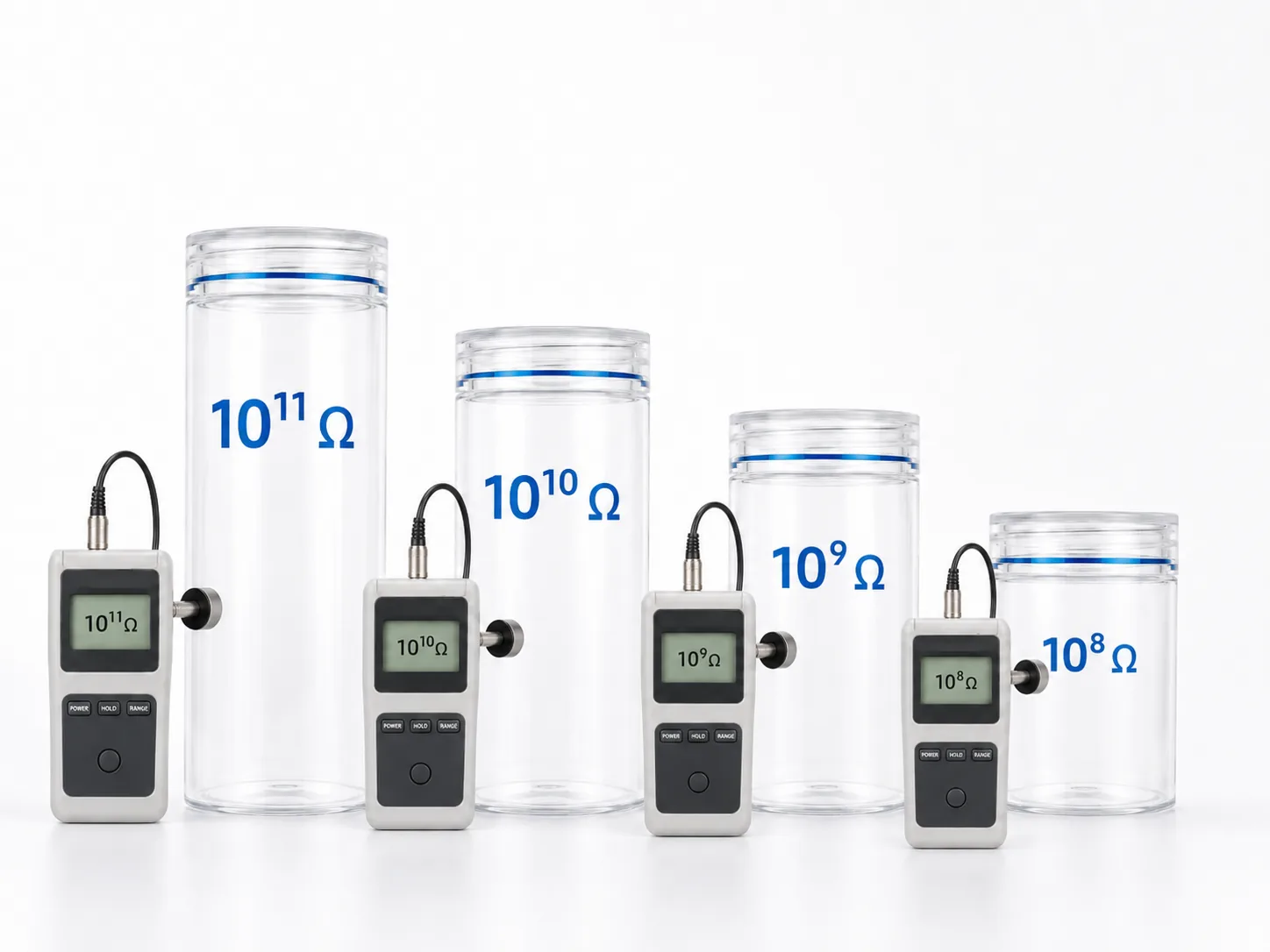
Review target resistance range, test method and use environment to confirm whether the material route is stable.
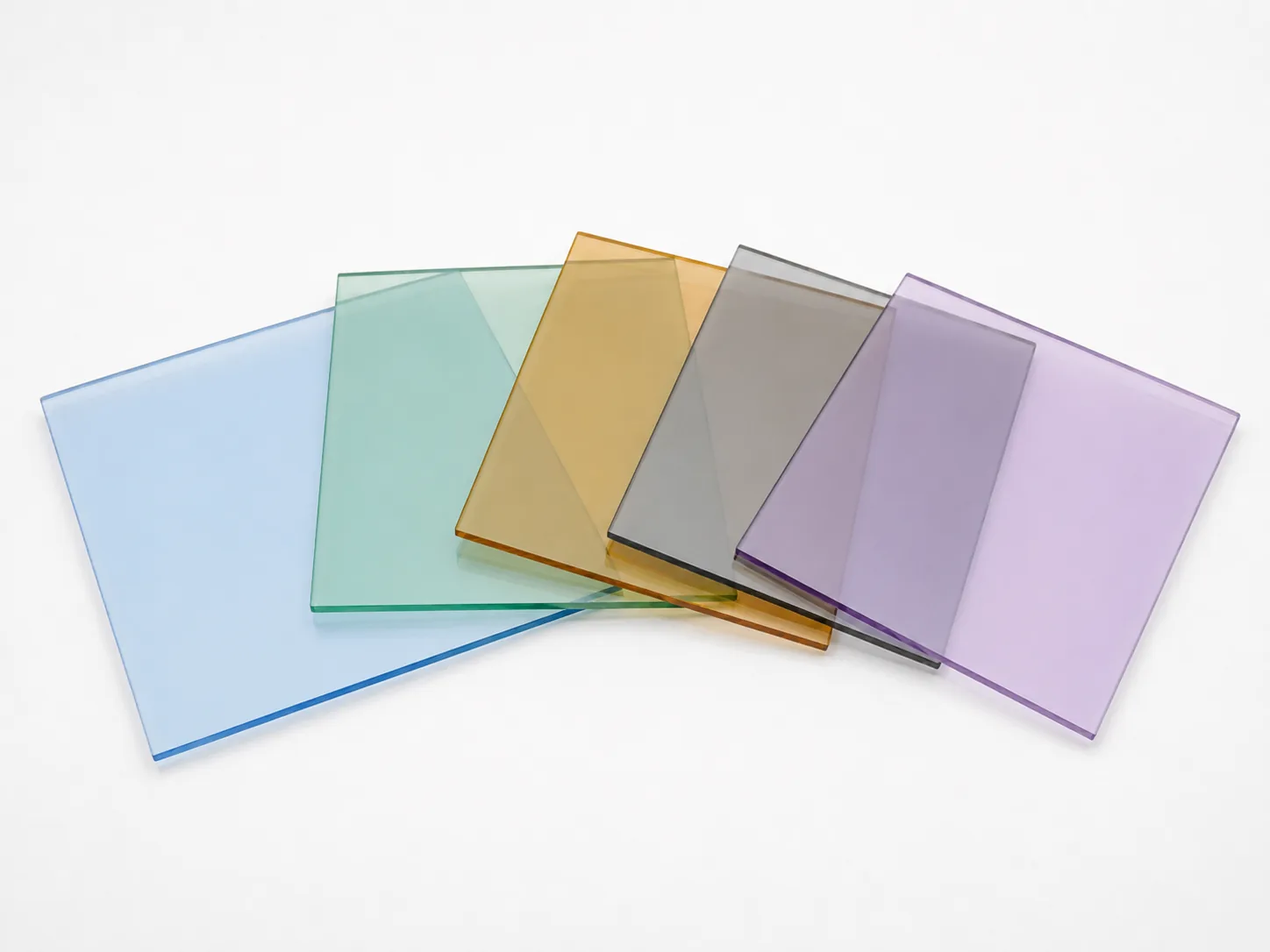
Clear, translucent and tinted clear options affect visual effect, material system and batch consistency.
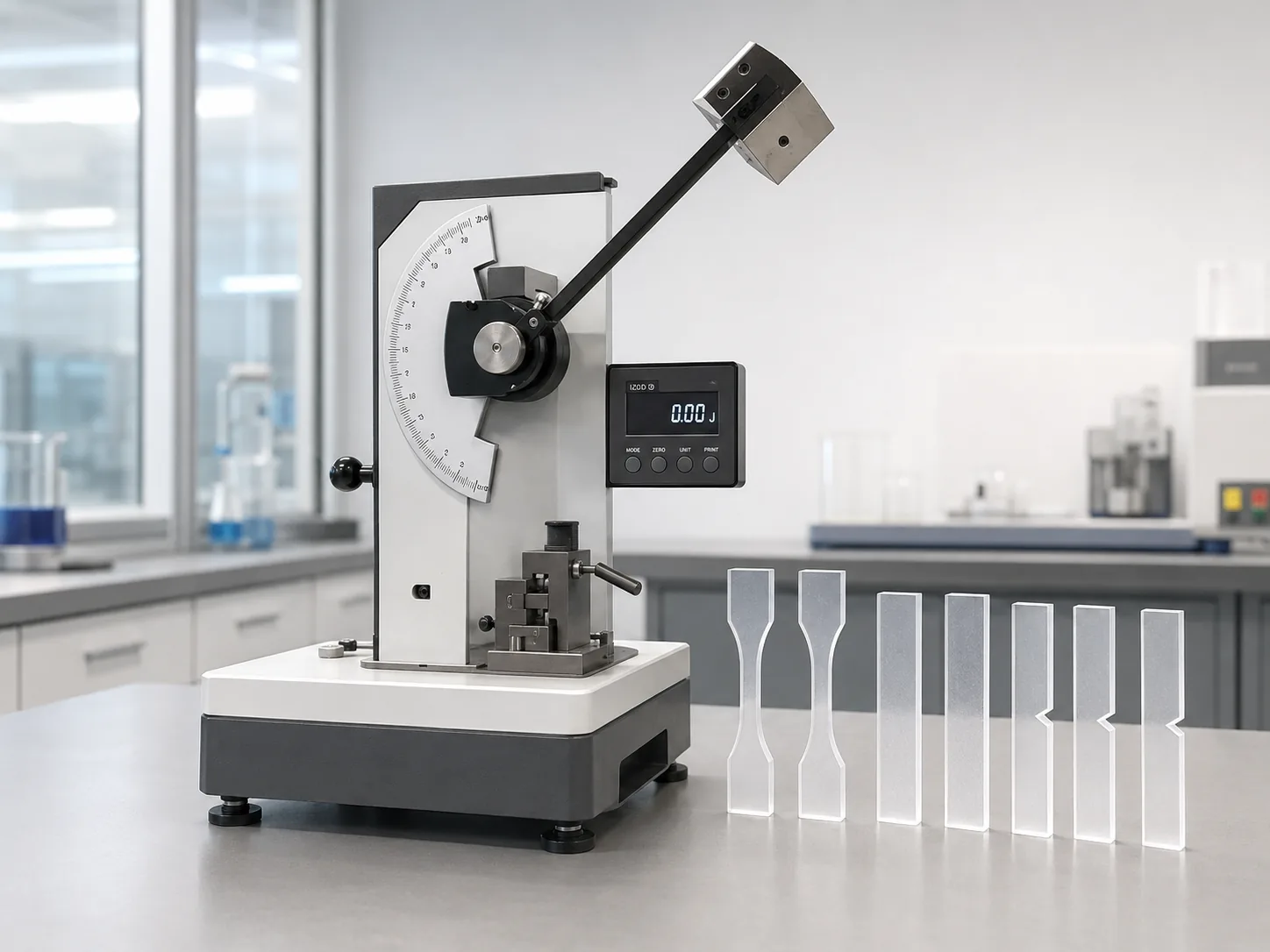
Check whether the part faces frequent impact, drops, rubbing or handling loads, then confirm toughness and structural margin early.
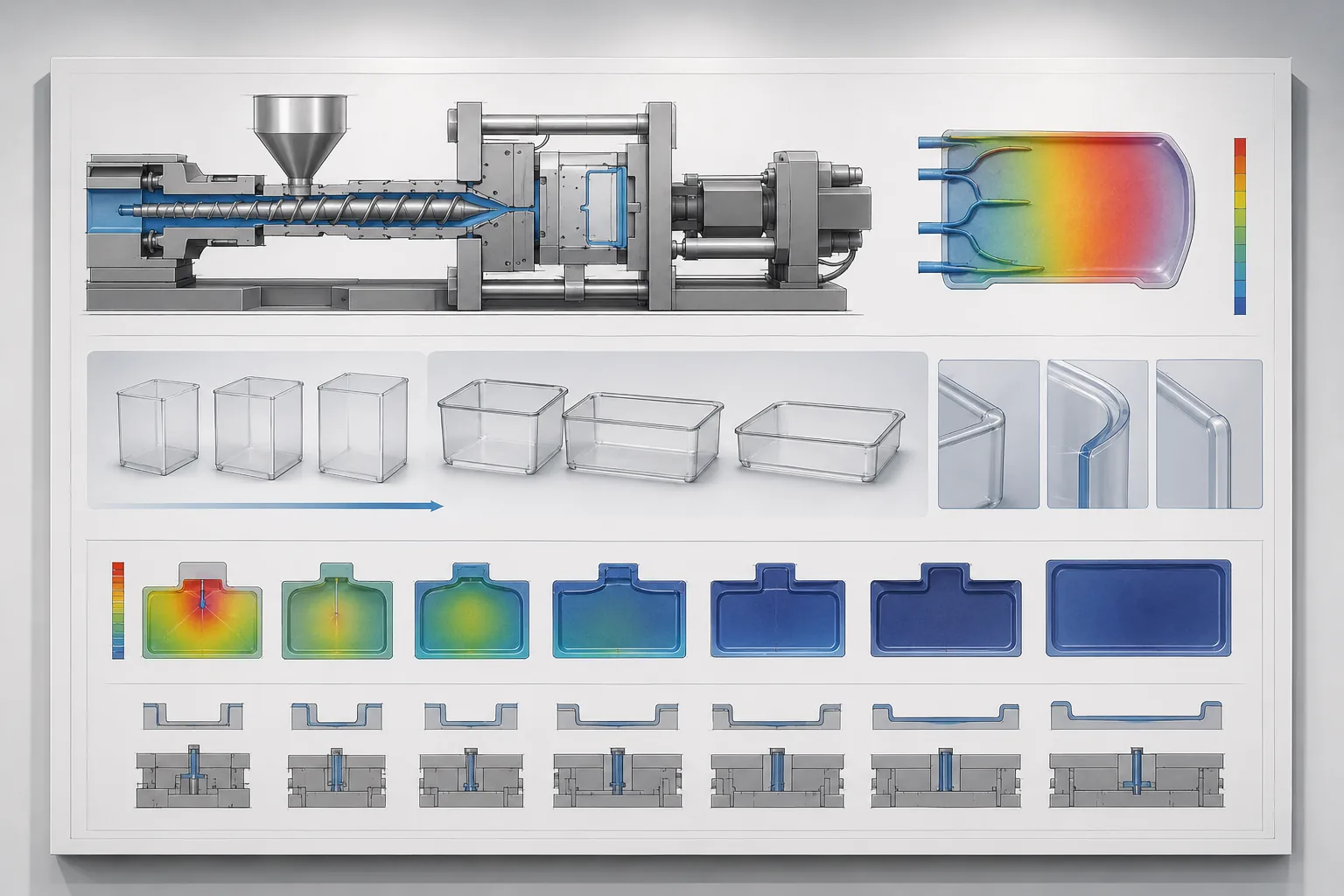
Part size, wall thickness, flow length and local thin-wall areas determine material flowability needs and influence short shots, flow marks and molding stability.
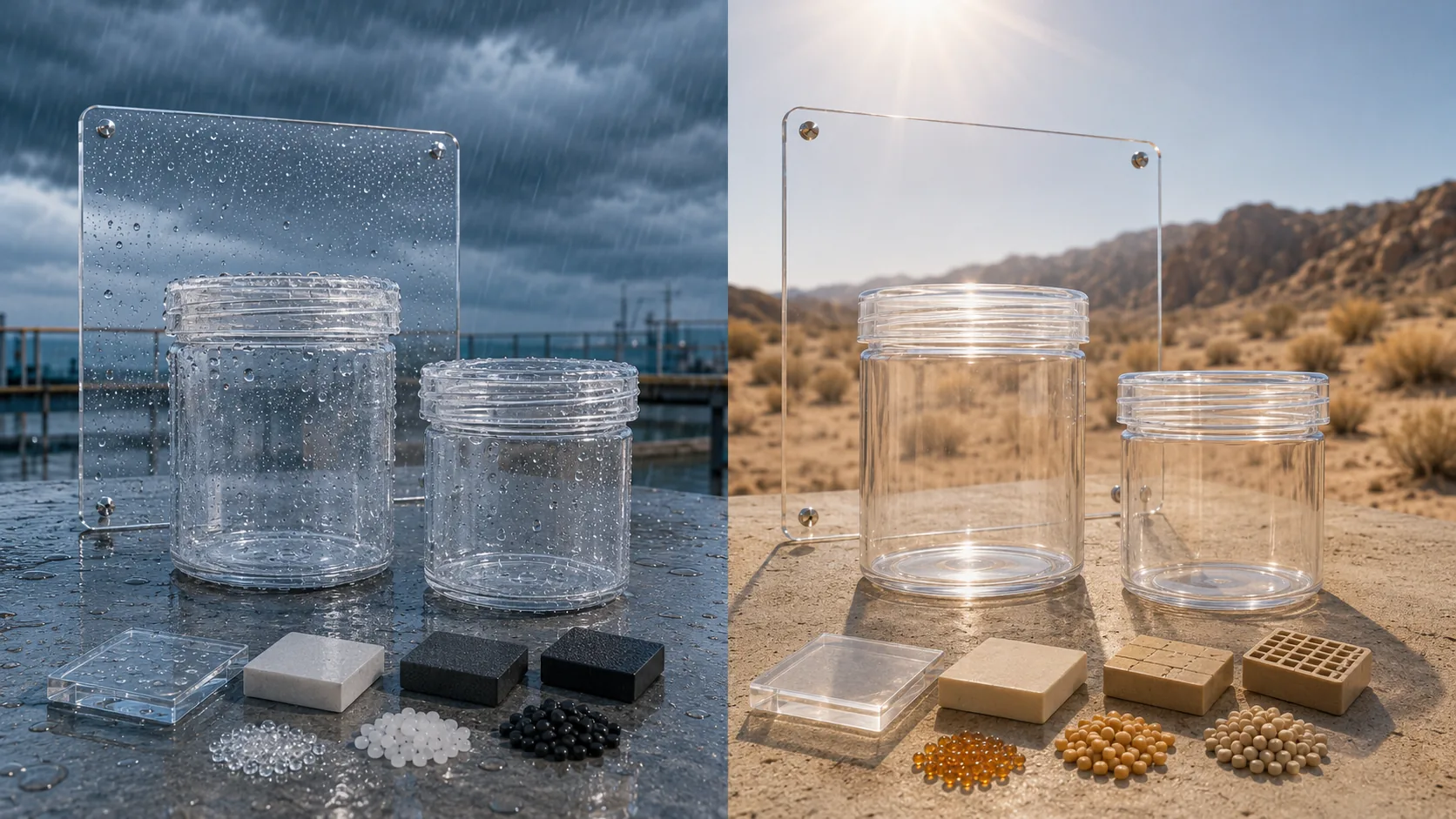
Review humidity, dryness, temperature changes, sunlight and cleaning method to judge whether moisture resistance, dry-climate resistance and long-term stability need reinforcement.
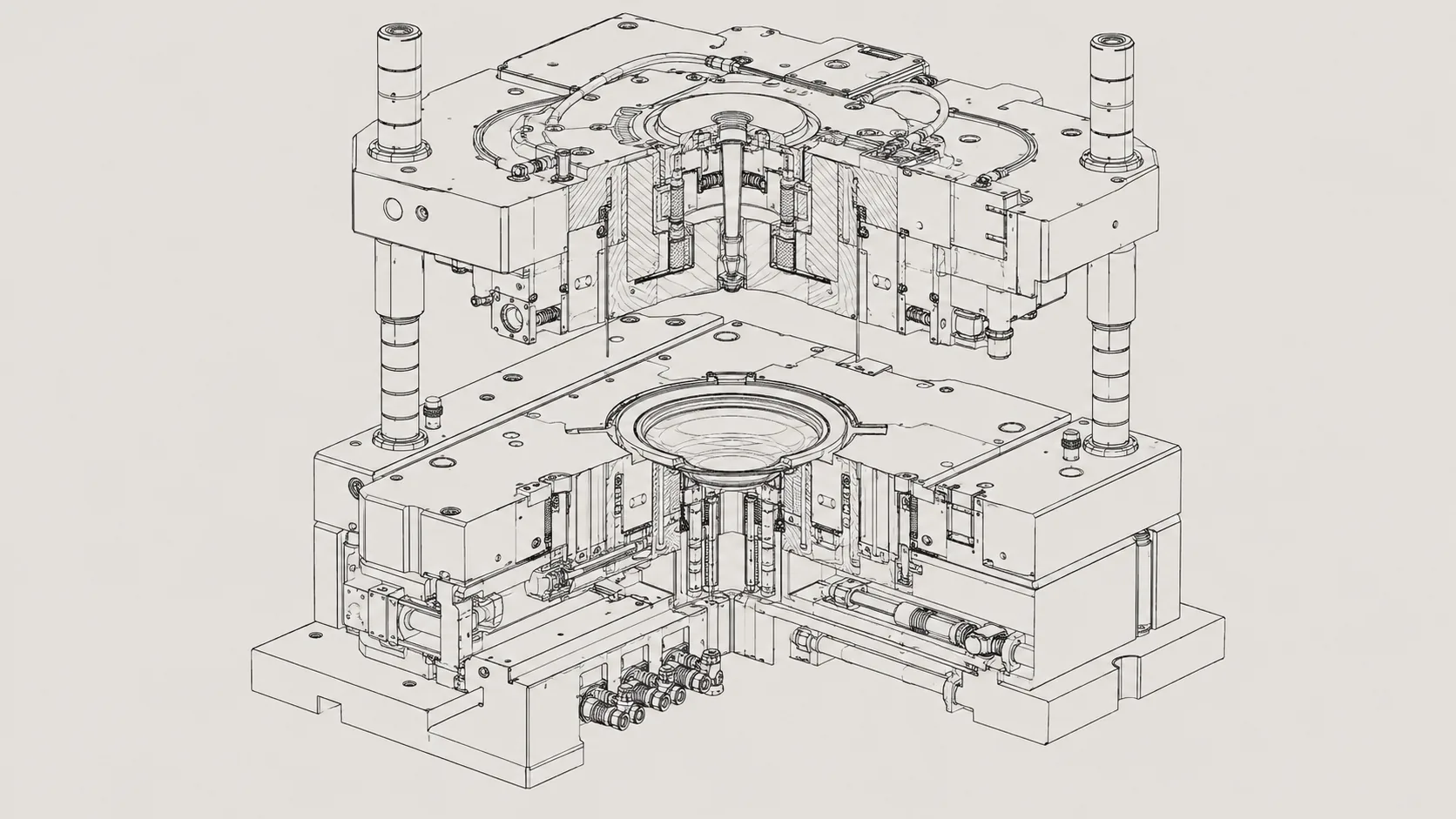
Six core engineering practices for injection molds using transparent antistatic modified materials
For wear and mild additive corrosion caused by transparent conductive or antistatic fillers, cavity and core steel is selected around S136-Super/Stavax hardened stainless steel to avoid rust spots and pitting from ordinary steel and keep clear appearance consistent.
Cavities, runners, gates, ejector pins and lifters are mirror-polished to SPI-A2 or above, with polishing marks following the demolding direction to prevent sanding marks from becoming haze or diffuse reflection on transparent parts.
Larger runner sections and low-shear gates reduce melt shear, avoid carbon nanotube or carbon fiber breakage and agglomeration, and balance optical appearance with uniform, stable electrical resistance. Cold slug wells help remove black specks and contaminants.
Venting depth is tightly controlled, with sufficient vents at flow ends, weld lines and insert areas. For high-viscosity modified materials, vacuum venting can reduce bubbles and burning while preventing trapped gas from damaging the conductive network.
Conformal and balanced cooling circuits keep mold-temperature variation under control. Fewer insert seams, larger draft angles and distributed ejection points reduce stress whitening, ejector whitening and resistance fluctuation caused by conductive-filler orientation.
Mold rust prevention, maintenance and thorough material-change cleaning standards are paired with material dehumidifying and drying, so mold and injection process controls can stabilize both clear appearance and antistatic performance.
Use the cosmetic compact case to analyze the feasibility of Clearastatic's transparent antistatic solution
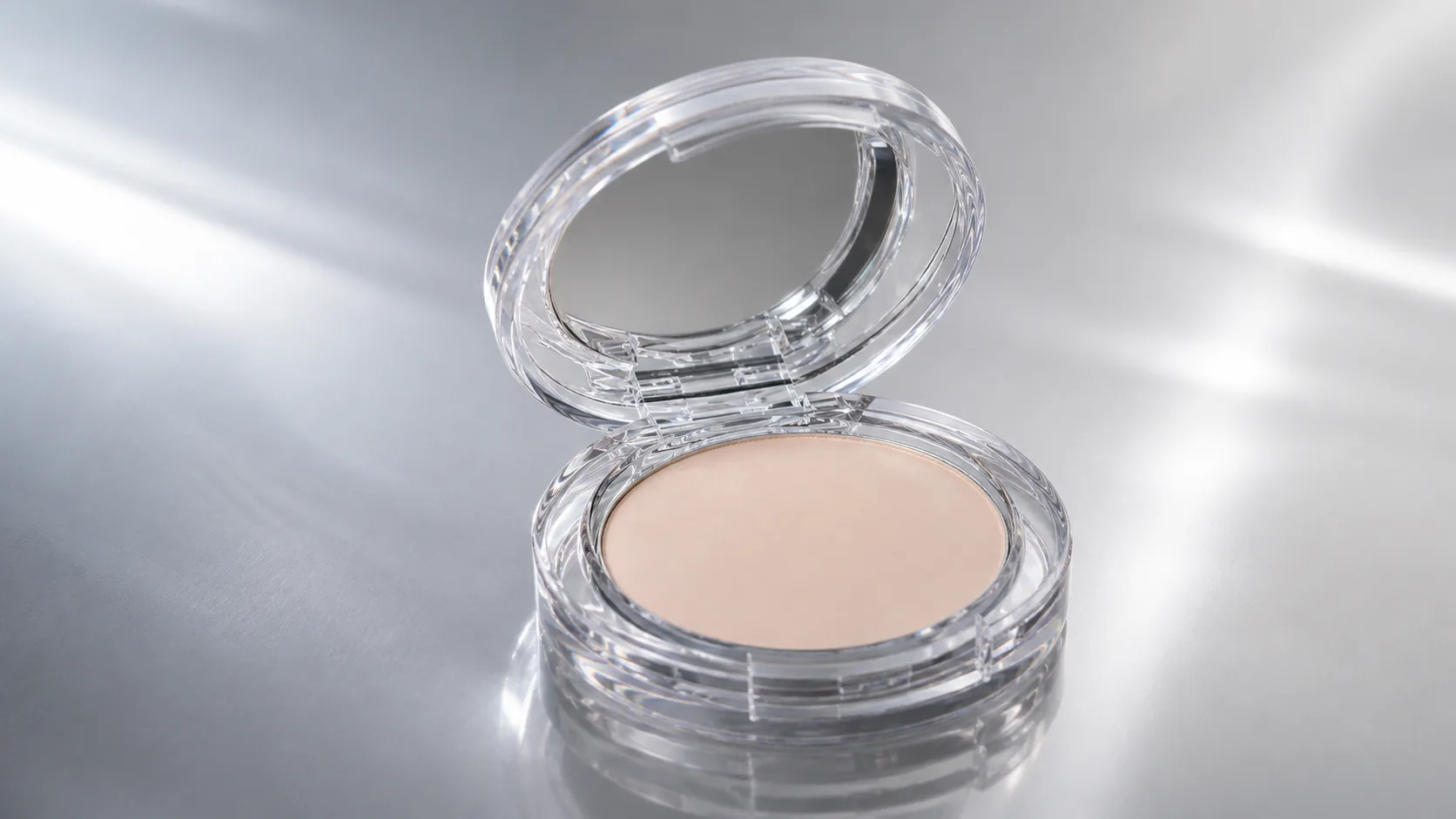
10^8-grade antistatic, less dust pickup.
Permanent dispersion keeps charge dissipating.
80% clarity, low haze, truer color.
Optimized hinge tooling for cycle impact.
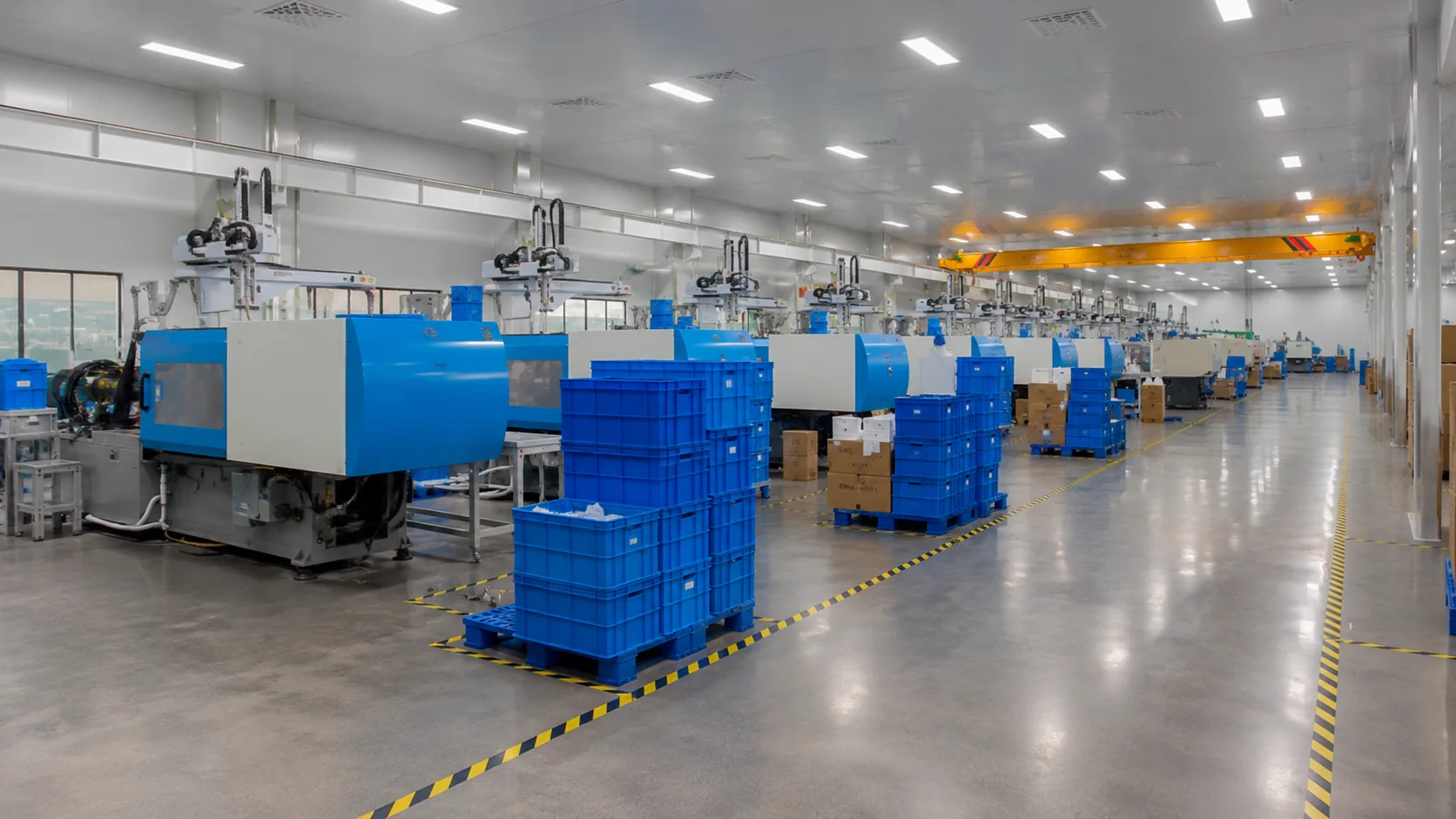
12,000 m2 facility with site visits and factory audits
Clearastatic operates about 12,000 m2 of production and supporting space covering material validation, tooling coordination, precision injection molding and quality inspection. Customers can schedule site visits, factory audits and project reviews to understand equipment configuration, production flow and quality controls.
The large clean workshop provides a stable production environment for transparent antistatic and high-precision injection-molded products, reducing the impact of dust and environmental variation on appearance, dimensions and assembly quality while supporting consistent batch delivery.
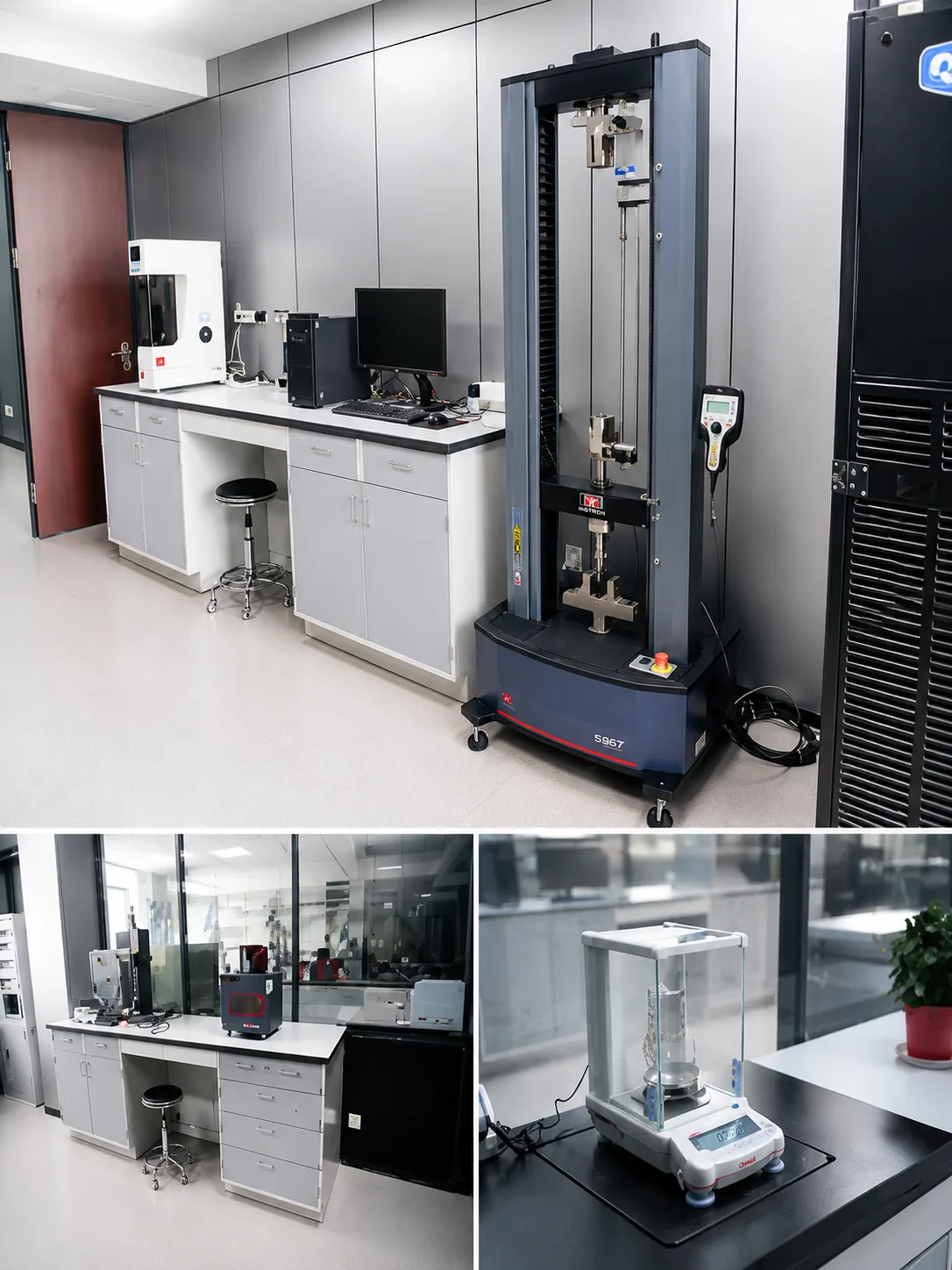
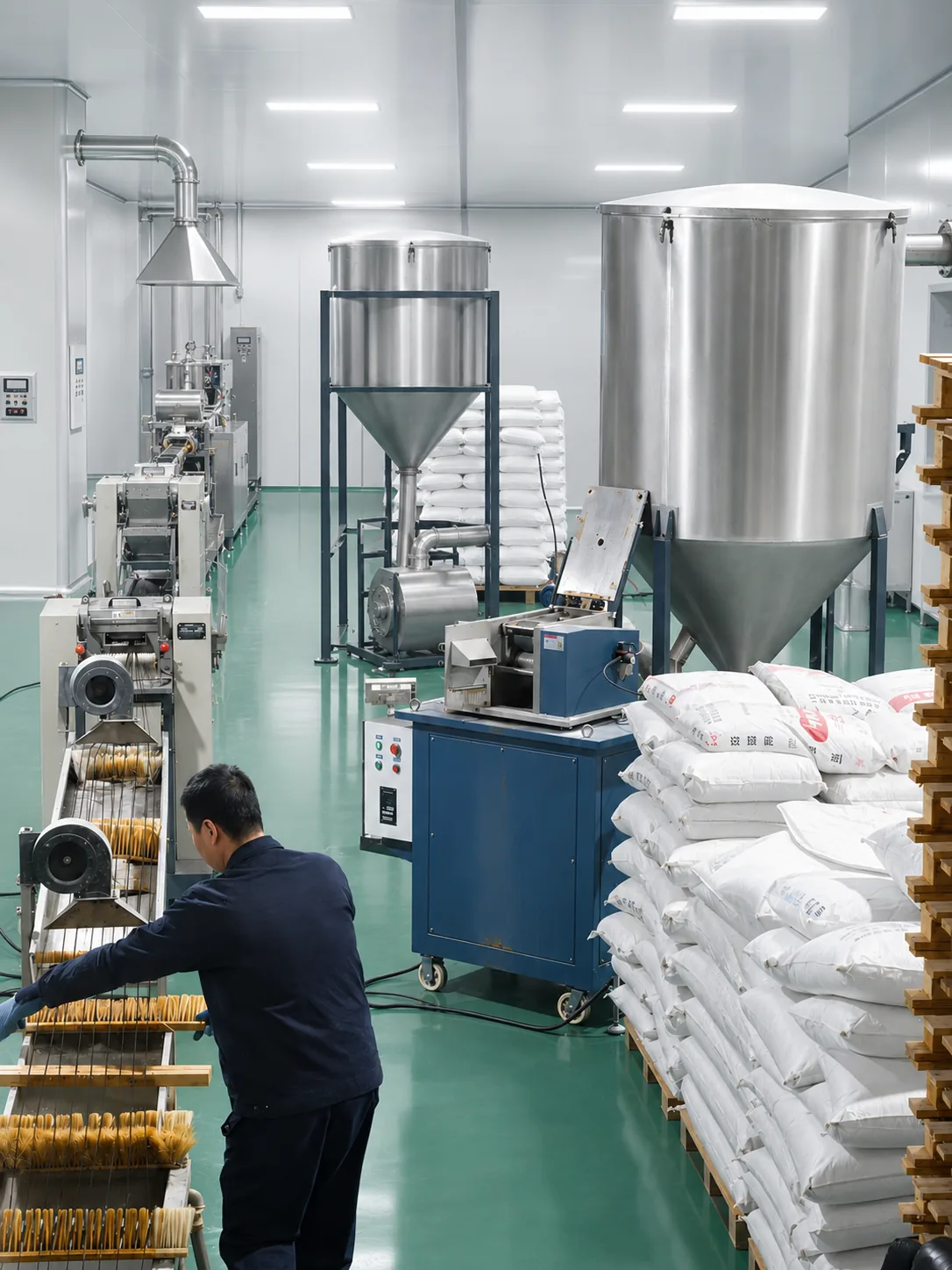
Transparent antistatic plastic pellet production line and R&D laboratory
Clearastatic has dedicated transparent antistatic pellet production lines for ABS, PMMA, PC, PE, PP and related systems. By controlling the material route from the source, clarity and antistatic stability can be managed before molding. Formulation parameters can be adjusted around customer requirements, covering antistatic targets from 10^6 to 10^11 ohms, with color matching completed at the material stage to improve batch-to-batch consistency in color, clarity and resistance.