
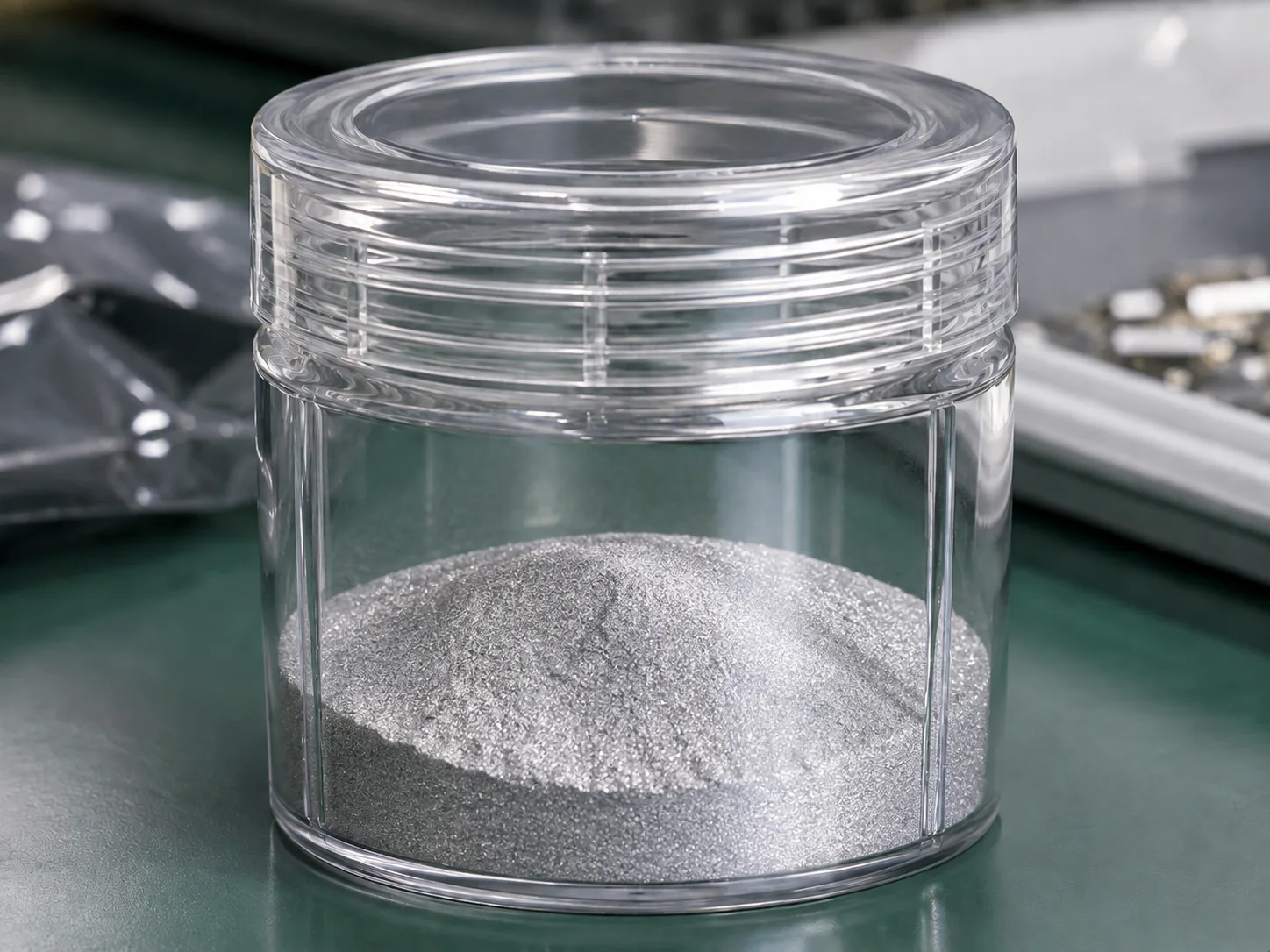
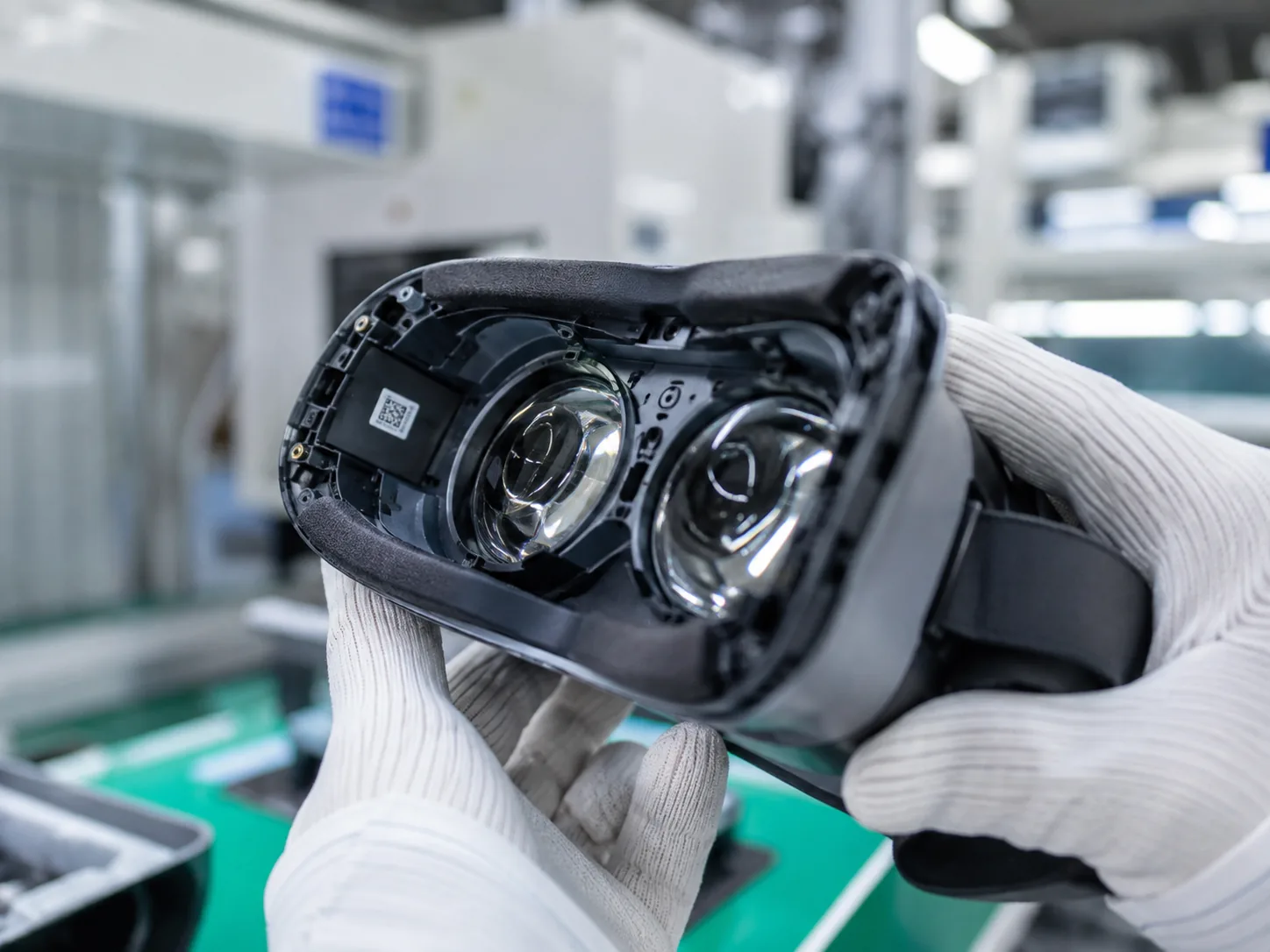
Typical Application Parts
Daily-use and premium packaging needs products to look refined while reducing dust, scratches, whitening and batch color differences. Clearastatic helps customers build a validation route from material samples to batch molding around clarity, haze, color, antistatic behavior, scratch resistance and packaging structure.
- Clear display covers, packaging housings and product windows
- Protective inserts, protective covers and handling packaging
- Tinted transparent parts, translucent housings and premium packaging parts
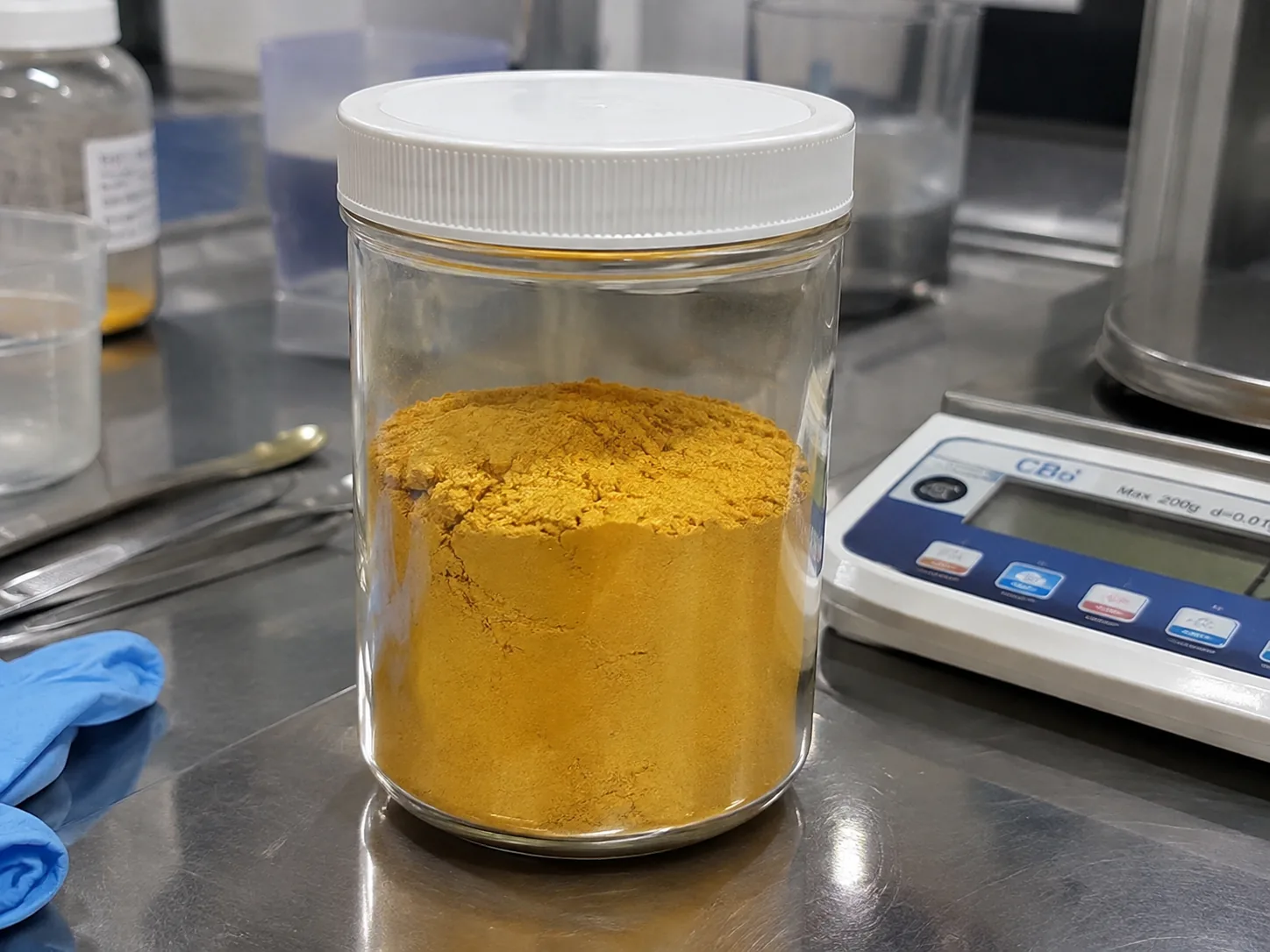
Industry Requirements
Packaging projects should review appearance and production consistency first
Packaging projects focus more on presentation, dust adhesion, scratching, whitening and molding cost, so appearance quality and production stability must be balanced.
| Industry Requirements | Current Pain Points | Clearastatic Matching Solution |
|---|---|---|
| Display effect | Clear packaging must show product color, shape and internal status clearly; haze or color variation can affect perceived quality. | Confirm material samples by high clarity, low haze, tinted clear or translucent effects. |
| Low dust adhesion | Packaging and display covers can attract dust, affecting shelf cleanliness and unboxing appearance. | Use transparent antistatic materials to reduce static adhesion for display covers, protective lids and clear inserts. |
| Scratch and whitening resistance | Transport, touch, wiping and stacking can cause scratches, whitening or edge cracking. | Confirm durability limits by material toughness, wall thickness, radii and packaging structure. |
| Production cost | Packaging projects are usually price-sensitive, and forming method, thickness and structure directly affect cost. | Select injection molding, thermoforming, extrusion or another forming route by quantity, appearance requirements and structure. |
Performance Metrics
Performance Advantages
The five data points most often needed early in transparent antistatic projects are shown together so purchasing, R&D and tooling teams can align quickly.

85%
Clarity
Suitable for windows, clear covers, label identification and visual confirmation of internal status.

108
Antistatic Level
Confirm the antistatic range by surface-resistance target to reduce static adhesion and ESD risk.
12.3KJ/㎡
Impact Strength
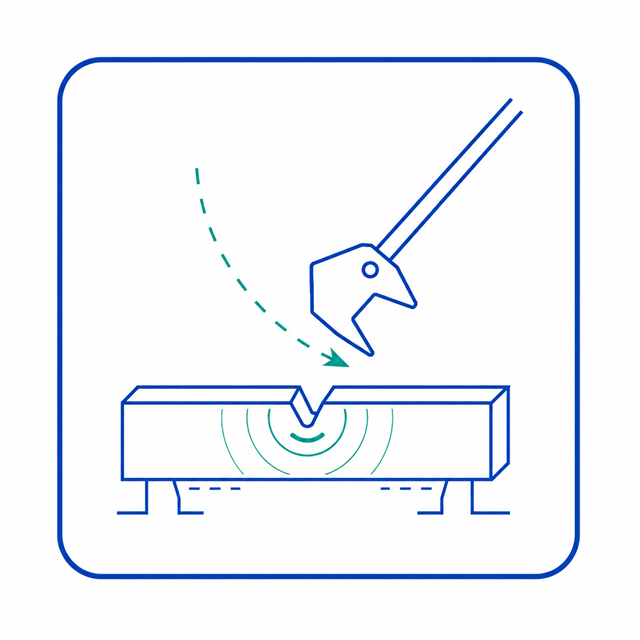
Used to evaluate impact resistance during handling, pick-and-place, assembly and equipment protection.

39MPa
Tensile Strength
Tensile method: 50 mm/min, GB/T1040-2006.
48g/10min
Melt Index
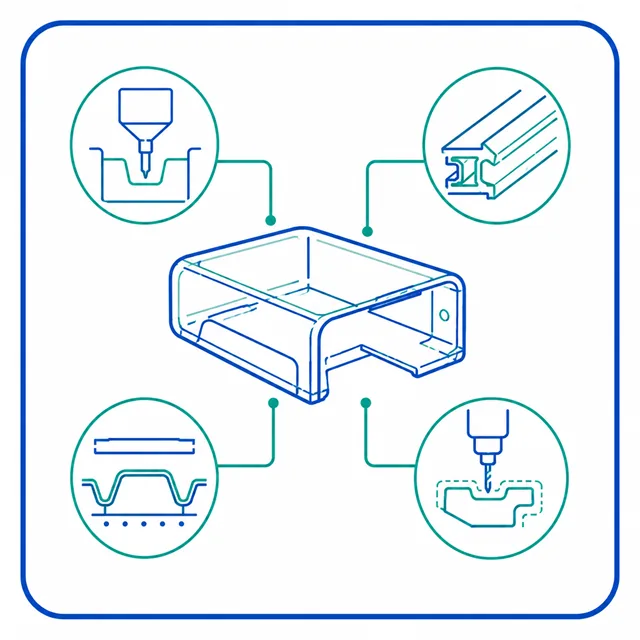
Used to judge processing windows for injection molding, extrusion, thermoforming and mold trial stages.
Customization is available for presentation effect, color clarity, dust resistance, wipe-resistant appearance and packaging structure.
Appearance display metrics
- Clarity / haze
- Color samples
- Surface Resistance
- Wiped appearance
Packaging validation path
- Sample confirmation
- Color-chip review
- Mold trial appearance
- Batch inspection
Engineering Deliverables
- Material Recommendation
- Color limits
- Structural Recommendations
- Molding Window
Production appearance coordination
- Materials Engineer
- Tooling Engineer
- Molding engineer
- Appearance inspection
Quotation Plan
Transparent Antistatic Material Quotation Plan
Packaging projects usually confirm appearance through samples first, then evaluate mold trial and production cost by structure, thickness and forming method.
Free Samples
Used to test conductivity, clarity, haze and basic appearance during early transparent antistatic material selection.
Samples are freeTrial-batch Material
Trial-batch transparent antistatic material is CNY 45/kg. A 5 kg pack is available for mold trials, trial production and small-batch retesting.
CNY 45/kg, from 5 kgFinal Trial Formula
The final trial locks the exclusive formulation and confirms the production window by color, clarity, antistatic level, base resin and process.
about 45-CNY 48/kgTooling Cost Consultation
Tooling cost is evaluated separately by part size, structure, cavities, polishing grade, trial requirements and delivery schedule.
Quoted by productFAQ
FAQ
Common questions about clear packaging, antistatic protection and appearance consistency.
Which daily-use packages most need transparent antistatic materials?
Mainly products with high requirements for clean appearance and content visibility, such as clear storage boxes, display packaging, powder containers, precision daily-use packaging and transparent shells that easily attract dust or hair.
If clear packaging always attracts dust and hair, does antistatic material really help?
Yes. Ordinary transparent plastics can become charged after friction and continuously attract dust and hair. Transparent antistatic materials can significantly reduce this static adhesion, especially for transparent products used for long-term display.
Why does powder stick to the wall of a clear bottle?
Many fine powders generate static electricity during filling, transport and use, causing powder to adhere to the bottle wall. Antistatic materials can reduce wall hanging, residue and poor pouring, while also making the remaining quantity easier to see.
Can packaging still remain very clear after antistatic performance is added?
Yes, but a balance is needed between antistatic level and transparency. If display effect matters more, transparency can be prioritized. If powder wall adhesion or static dust attraction matters more, antistatic performance should be increased appropriately.
Will clear packaging become more scratched or hazy after long-term shelf display?
It depends on the material. PMMA has advantages in surface scratch resistance and maintaining clear appearance. ABS has better impact resistance but is not suitable for long-term water immersion. For products with high appearance requirements, friction, wiping and long-term display tests should be performed directly on the actual package.
Can food, cosmetics and powders be packaged directly with transparent antistatic materials?
This cannot be generalized. Whenever the material directly contacts the contents, medium compatibility, migration, extractables and applicable regulatory requirements must be further confirmed. Food, cosmetics and special powders especially cannot be used directly just because the antistatic test passes.